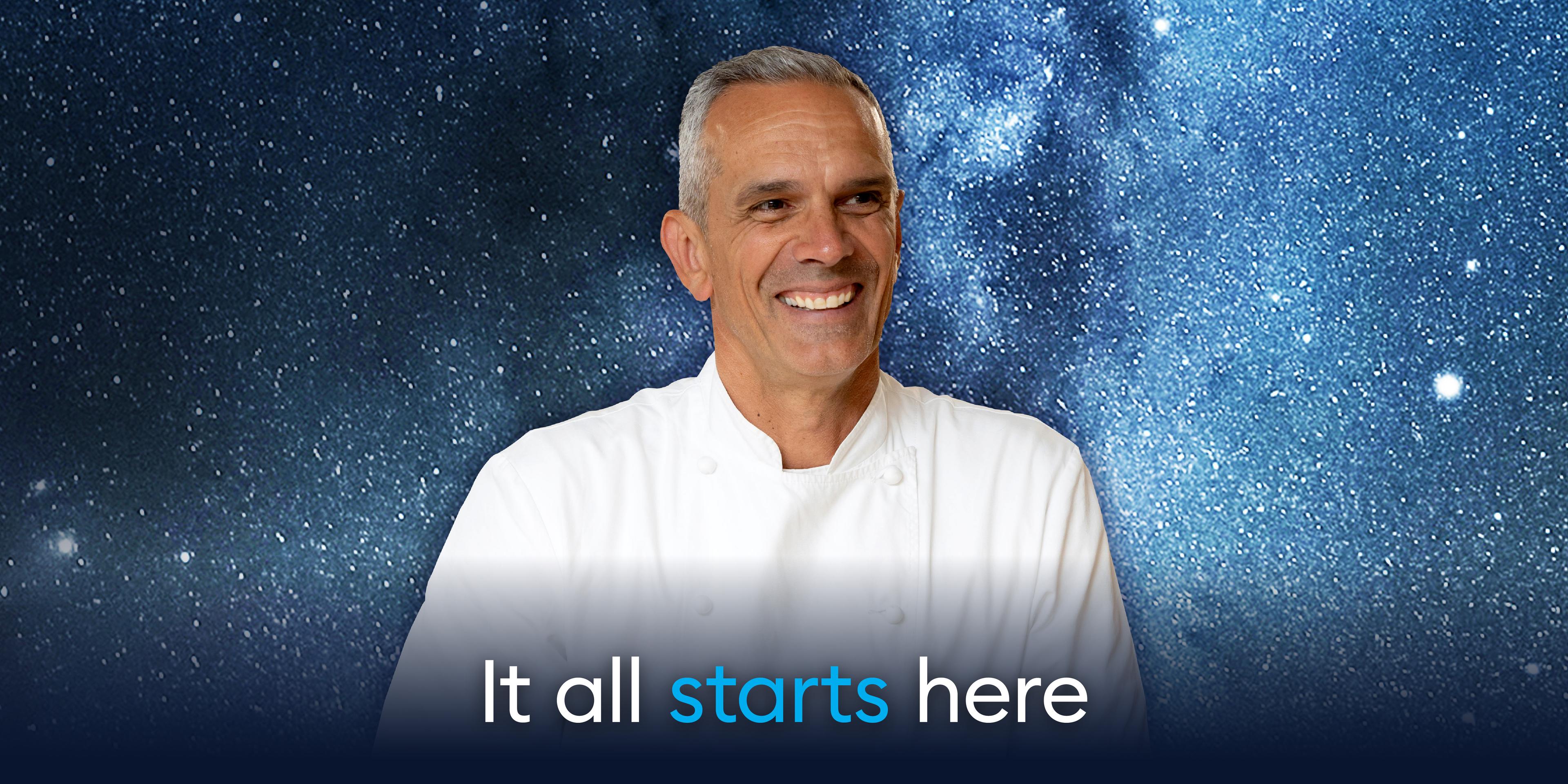
It all starts here: My house is just a house, until the kids come home
When Shane Cortese's second son was born, his partner took their newborn to Australia for six weeks, and Shane got the house, and the Rugby World Cup, to himself. Except the house went quiet, and Shane, one of New Zealand's most recognised faces from Shortland Street and Outrageous Fortune, tweeted the line that ended up in the Herald: your house is just a house until it's got kids and family around it, then it becomes a home.
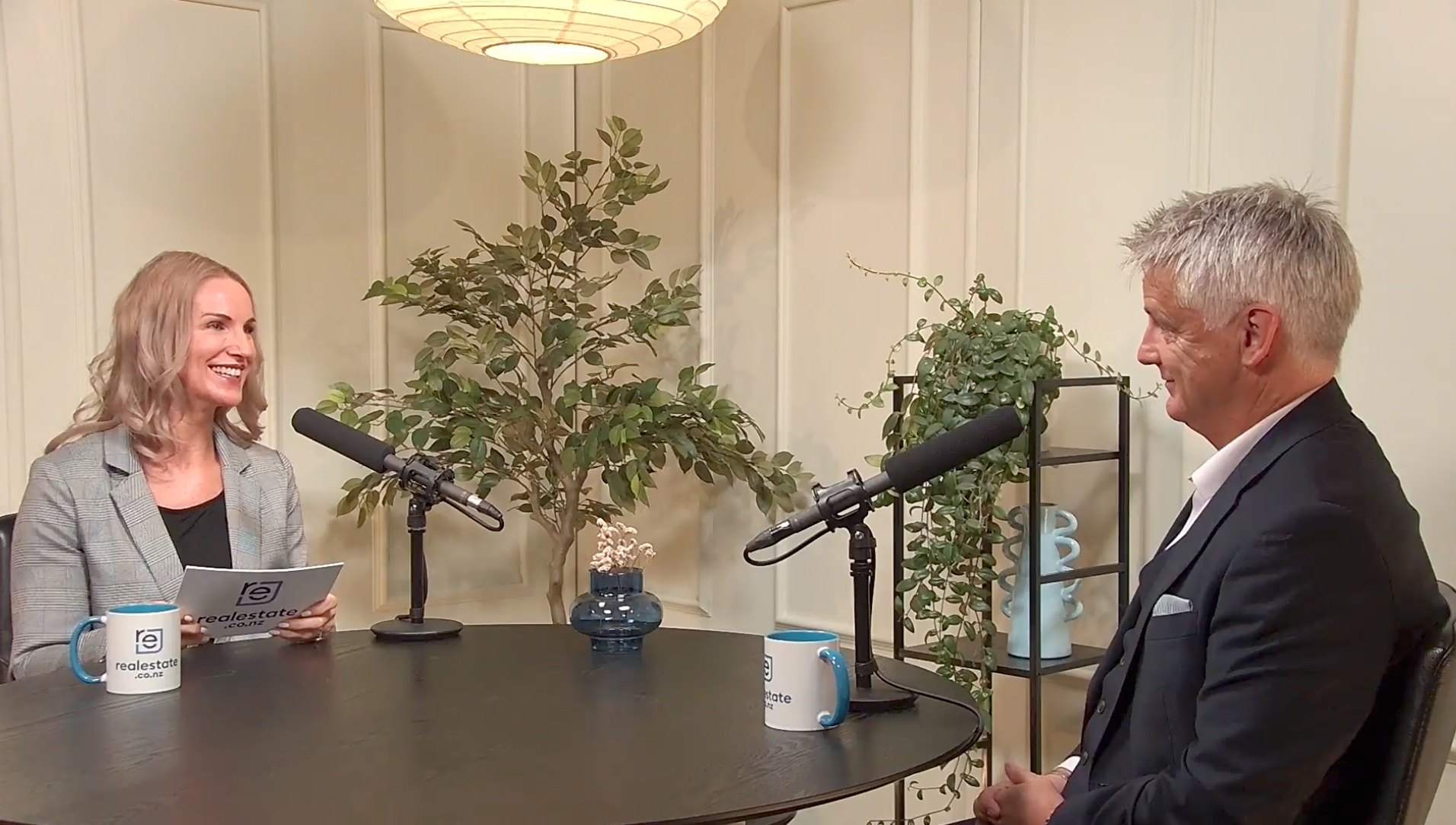
In this conversation with Vanessa Williams, our General Manager - Customer and host of It all starts here, Shane talks through a childhood spent between the UK, Tauranga and Wellington, his last years of school living in a hotel room in Palmerston North, the two very different homes he bought in London in his twenties, and the keypad code that meant his teenage sons never needed to knock. Thirty years into realestate.co.nz's own story of home, Shane's is a reminder that it’s the people that make a house a home.
Highlights#
- A childhood on the move. Shane's parents separated early, and he grew up between the UK, Tauranga and Wellington before spending his last years of school living in a hotel room in Palmerston North, where his mother managed the Britannia and his Saturday job was cleaning out the beer tanks for pocket money.
- The tweet that stuck. When his second son was born and the house went quiet for the first time, Shane tweeted that a house is just a house until it's got kids and family around it, then it becomes a home. The New Zealand Herald picked it up.
- A code, not a key. His two sons now have the keypad code to his front door, so neither of them ever has to worry about losing a key. Between his place and their mother's, Shane says the boys have two loving homes, and that was always the plan.
- His first home. A three-bedroom semi-detached Victorian in Kingston-upon-Thames, bought for £76,000 in 1996 with a fellow cast member from The Rocky Horror Show in the West End.
- His second home, sight-bought. A renovated 17th-century stable house turned show home in Carshalton, Surrey. Shane fell for it on a drive-by, bought it that same day, furniture and all, and moved in with two bags of clothes.
- Chasing not mediocre. On stage, at the auction rostrum and on the cricket pitch, Shane traces his drive back to having to prove himself fast as a kid who kept moving, and borrows a line from Ted Lasso to sum it up: don't you ever settle for fine.
Actor and Aucitoneer Shane Cortese on what home means to him.
Shane Cortese on what makes a house a home#
Shane’s childhood was a little different from most.
After his parents separated, he spent time between different places, including the UK and Tauranga. When he was in Year 12, he moved to Palmerston North, where his mother was running a hotel.
For Shane, that hotel became home.
He had his own room and a surprising amount of independence, while his friends would regularly gather there on Friday nights. He even worked around the hotel, helping restock the bars and clean the beer tanks for pocket money.
It gave Shane an early understanding that home isn't necessarily defined by what a property looks like. It's the people, routines and experiences that make a place feel like your own.
When a house becomes a home#
That idea became particularly clear when Shane became a father.
He remembers the house being noticeably different when his partner and baby were away during the 2011 Rugby World Cup. Without the kids, the house suddenly felt very quiet.
It prompted him to share a thought that resonated with many New Zealanders:
“Your house is just a house until it's got kids and family around it. Then it becomes a home.”
For Shane, the noise, energy and everyday chaos of family life transformed the house.
Photos went up on the walls. The children's bedrooms became places he regularly visited. The property stopped being just a place to live and became somewhere filled with memories.
Creating a home children want to come back to#
Now a father of three, Shane says one of the things he values most is knowing his children feel comfortable and safe at home.
Their bedrooms are their own spaces, and while he admits he likes the house to be tidy, he gives them freedom to make their rooms their own.
There's also a simple detail that he loves: the family uses a keypad rather than traditional keys.
His children can come and go without worrying about losing a key, and Shane says there's something special about knowing they can always access the house.
For him, it's a small feature with a much bigger meaning.
“It means that those boys have access to that place any time they like.”
It's also part of a conscious effort to make sure his children feel at home across both of their family homes.
His first home in the UK#
Shane's first property purchase came while he was living and working in the UK.
He and his partner at the time were both performing in The Rocky Horror Show when they bought a three-bedroom semi-detached Victorian home in Kingston upon Thames, Surrey.
They paid £76,000 for the property, which they updated with a new bathroom.
For Shane, it was an exciting first step into property ownership and one that came with plenty of happy memories.
The location was a big part of its appeal. The house was within walking distance of Kingston town centre and the River Thames, with historic pubs, beautiful surroundings and easy access to London.
It wasn't necessarily about having the biggest or most luxurious property. It was about how the home fit into his lifestyle.
Sometimes it's the little things that make a property special#
Shane's second UK property was very different.
He bought a one-bedroom show home in a renovated 17th-century stable building in Carshalton, Surrey.
The property had low beams, sash windows and plenty of character. Because it had been used as a show home, it was also sold fully furnished.
Shane loved it so much that he bought it almost immediately - and moved in with just two bags of clothes.
From acting to auctioneering#
Shane may be best known to many New Zealanders for his acting roles in shows such as Shortland Street and Outrageous Fortune, but today he's a leading auctioneer and National Auctioneering Manager at Harcourts.
The move into real estate wasn't necessarily an obvious one.
When Shane first saw an auction, he thought it looked like something he could do. His acting background gave him confidence speaking in front of people, so when he was offered the chance to enter an auction competition, he jumped in.
There was just one problem: he wasn't very good at it.
His first competition experience was difficult, but rather than giving up, Shane watched the elite division and saw the level he wanted to reach.
That changed everything.
He began attending as many auctions as possible, training and learning the craft. The following year, he made it to the elite final.
For Shane, the experience reinforced a philosophy he carries into his career today: don't settle for mediocre.
Auctioneering isn't acting#
Despite his acting background, Shane says one of the biggest misconceptions about auctioneering is that the two careers are essentially the same.
They're not.
An auction involves negotiation, numbers, legalities, salesmanship and the ability to read the room - often in an incredibly high-pressure environment.
Shane says the key is being genuine.
Rather than performing a character, he uses the skills he developed as an actor to help people feel comfortable during what can be one of the most stressful experiences of their lives.
For anyone who has attended an auction, that ability to read the room and create a sense of calm can make a big difference.
If he could give his younger self one piece of advice...#
Towards the end of the conversation, Vanessa asks Shane what advice he would give himself if he could go back to becoming a new dad.
His answer isn't about property, career success or money.
It's about time.
He says he would have spent more time with his family and less time focused on extending the working week or chasing financial goals.
A reminder of how quickly life moves came through the memories stored on his phone - photographs of his children when they were younger appearing alongside reminders of how much they've grown.
For Shane, one particular memory brought that lesson home.
His best friend Pete, who passed away three years ago, was an exceptional builder. But when Shane attended his wake, the photographs weren't of Pete building houses. They were of holidays, family, fishing and experiences with the people he loved.
“I would give myself more time... spend more time doing the things you like. My best friend in the world, a guy called Pete, he passed away three years ago. He was the best builder I've ever met, but not one of the photos from his wake was of him building a house, they were all of experiences. So your work is important, because it does provide us our income, but the experiences of life are just important. And if I could go back, I would probably have more experiences.”
It's a powerful reminder that while property can be an important part of our financial lives, the memories we make in those properties are often what matter most.
And if Shane won Lotto?#
Of course, no conversation about property would be complete without the classic question: what would you buy if money were no object?
For Shane, the answer is surprisingly straightforward.
He'd stay close to home and buy a beautiful property in Takapuna, ideally near the beach, where he could enjoy the cafes, bars and energy of the area.
He'd also have a second property on Waiheke Island.
The appeal isn't just the property itself. It's the feeling of getting on the ferry, leaving the city behind and knowing you're heading into holiday mode.
“I'm just a Takapuna boy, I think. I would buy a lovely home in Takapuna for me and the lads... And then I would have something on Waiheke. There's something about getting on that ferry and having that first cold beer that says, I'm on holiday.”
It says a lot about what Shane values in a home: location, lifestyle, family and the ability to create experiences.
More than bricks and mortar#
Shane's story is a reminder that our relationship with property changes throughout our lives.
A hotel room can be home. A first home can represent independence and a new chapter. A family house can become the backdrop to raising children. And a holiday property can be somewhere you go to switch off and spend time with the people you love.
The property itself matters, of course. But ultimately, it's what happens inside it that gives it meaning.
Because a house might be where you live, but home is where life happens.
Want to hear more about home, property and family? Follow It all starts here wherever you get your podcasts.
Host Bio#
Vanessa Williams, General Manager - Customer, realestate.co.nz. Vanessa is one of New Zealand's most trusted voices on property, at home unpacking market data for industry audiences and translating it into practical guidance for everyday buyers and sellers. She regularly appears across national television, radio, print and digital media. Her commentary combines the extensive listings, search and market data held by realestate.co.nz.